Medically reviewed by Dr. Steven Lee, DDS · Last reviewed July 13, 2026. Educational information, not a substitute for an exam — talk to our Hebron office.
What is Root Canal Therapy?
A tooth is more than just a hard surface. Inside every tooth lies a soft tissue called pulp, which contains nerves and blood vessels. When bacteria invade this area due to deep decay or a crack, it causes an infection.
This infection creates pressure. Because the hard outer layers of your tooth cannot expand, that internal pressure leads to significant discomfort. Root canal therapy, also known as endodontic treatment, is how we remove that infected tissue so your body can heal.
We clean the canals thoroughly. Once the pulp is removed, we seal the empty space with a biocompatible material to prevent new bacteria from entering the tooth.
Signs You Might Need Treatment
Tooth pain feels different depending on the cause. Some people experience a sharp jolt when biting down, while others feel a dull, constant ache that keeps them awake at night.
You should watch for these specific symptoms:
If you notice swelling in your gums or a small bump that looks like a pimple, it often indicates an abscess. This is a sign of a serious tooth infection that requires immediate professional attention to prevent the spread of bacteria to your jawbone.
- Lingering sensitivity to hot or cold liquids
- Pain when chewing or applying pressure
- Discoloration or darkening of the tooth
- Swollen or tender gums near the affected area
The Root Canal Procedure Step-by-Step
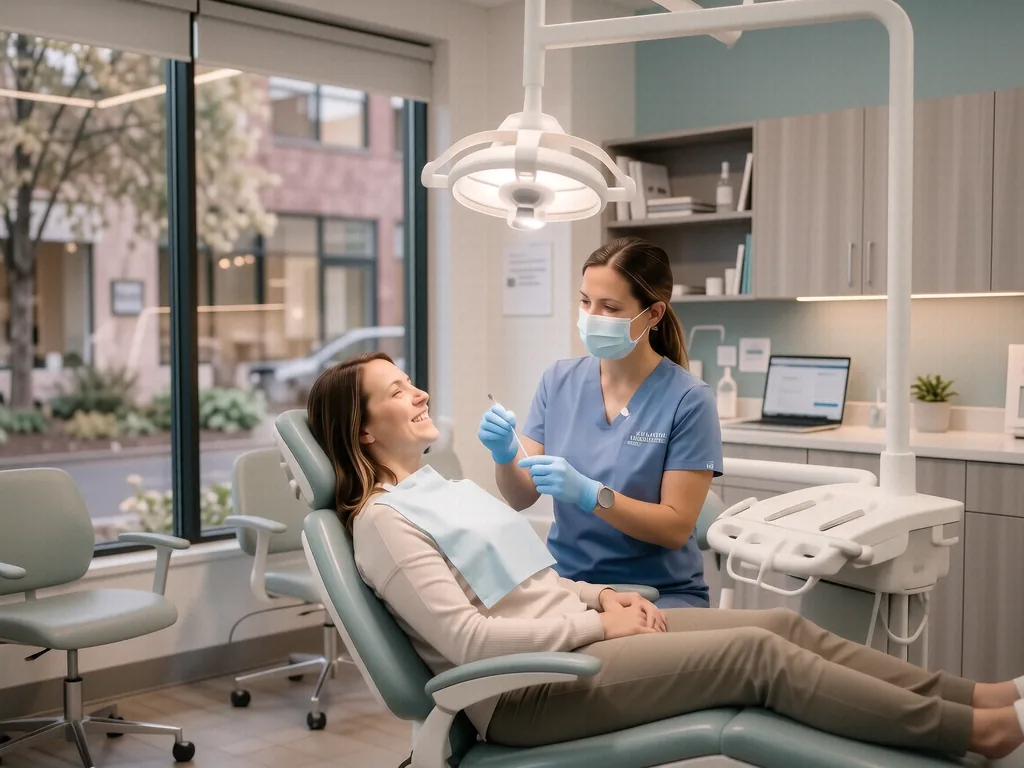
We prioritize your comfort. While many people fear the term, most patients tell us that a modern root canal feels very similar to getting a deep filling.
First, we numb the area completely using local anesthesia. This ensures you do not feel pain during the procedure itself. Once you are comfortable, Dr. Lee makes a tiny opening in the top of your tooth to access the pulp chamber.
Next, we clean the canals. We use specialized files to remove the damaged tissue and rinse the space with disinfecting solutions so that every trace of infection is gone. After cleaning, we fill the canals with a rubber-like material called gutta-percha.
Finally, we place a temporary or permanent filling. Because the tooth no longer has a blood supply, it may become brittle over time. We often recommend a custom crown to protect the tooth from fracturing during daily use.
Benefits of Saving Your Natural Tooth
Extraction is an option, but it is rarely our first choice. Keeping your original tooth provides several long-term advantages for your oral health and your wallet.
Natural teeth maintain the structure of your face. When you lose a tooth, the surrounding bone can begin to shrink, which might change your facial appearance over many years. By choosing root canal therapy, you keep your bite aligned naturally.
It prevents shifting. If one tooth is removed and not replaced by an implant or bridge, the neighboring teeth will likely tilt into the gap, causing new alignment problems.
Cost and Investment in Hebron
Dental costs vary based on the complexity of the tooth. A root canal on a single front tooth is generally less expensive than one performed on a molar, which has more intricate canals to clean.
In our Hebron office, you can expect the following USD price ranges for endodontic treatment:
Root canal therapy (per tooth): $700 – $1,500
Permanent crown: $800 – $2,200
- Prices depend on whether the tooth is a molar or incisor
- Insurance coverage varies by provider and plan details
- We provide detailed estimates during your consultation
Visit Crossroads Dental Group
Don't let tooth pain dictate your life. We offer gentle root canal treatment in Hebron, Ohio, to help you return to eating and smiling without worry.
Our team understands the anxiety that often accompanies dental visits. We take our time to explain every step of the process so that you feel informed and relaxed from start to finish.
📘 Want the full picture? Read our Aftercare & Recovery Guide or see typical costs.
Frequently asked questions
Does a root canal hurt?
Most patients experience little to no pain during the procedure because we use local anesthesia to numb the area. Afterward, you might feel some mild tenderness for a few days.
How long does the procedure take?
A typical appointment lasts between 60 and 90 minutes. The time depends on how many canals the tooth has and the complexity of the infection.
Can I eat normally after treatment?
You should avoid chewing hard foods on that side until your permanent crown is placed. This protects the tooth while it is in a more vulnerable state.
How much does it cost with insurance?
Many dental insurance plans cover a significant portion of endodontic treatment. Please contact our office so we can help you navigate your specific benefits.
Questions? Call (740) 527-0700 or request an appointment.